

In today’s manufacturing environment, where efficiency, hygiene, and brand image matter, packaging is more than just appearance—it plays a vital role in freshness, safety, and user experience. Flexible pouches are highly adaptable and offer excellent display capabilities, making them a popular choice for the food and pharmaceutical industries.
This guide introduces three common types of pouches, combining real-world applications and equipment recommendations to help procurement teams choose the most suitable pouch type and corresponding machinery.
Why Pouch Packaging Matters in Modern Industries?
Flexible packaging offers key advantages, including:
- Reduces material usage and carbon footprint, which supports sustainability.
- It is suitable for a wide range of products, including powders, granules, and liquids.
- Allows for high-precision packaging and customized printing.
- It is compatible with both automated and semi-automated production lines.
- It is easy to store and transport, with excellent display performance.
What Are the Types of Pouches? 8 Main Categories and Their Applications
Understanding the different types of pouches is essential for choosing the right packaging solution. Below, we’ll explore the three main categories and explain how each is commonly used in various industries.
1.Stand-Up Pouches: Popular and Shelf-Ready
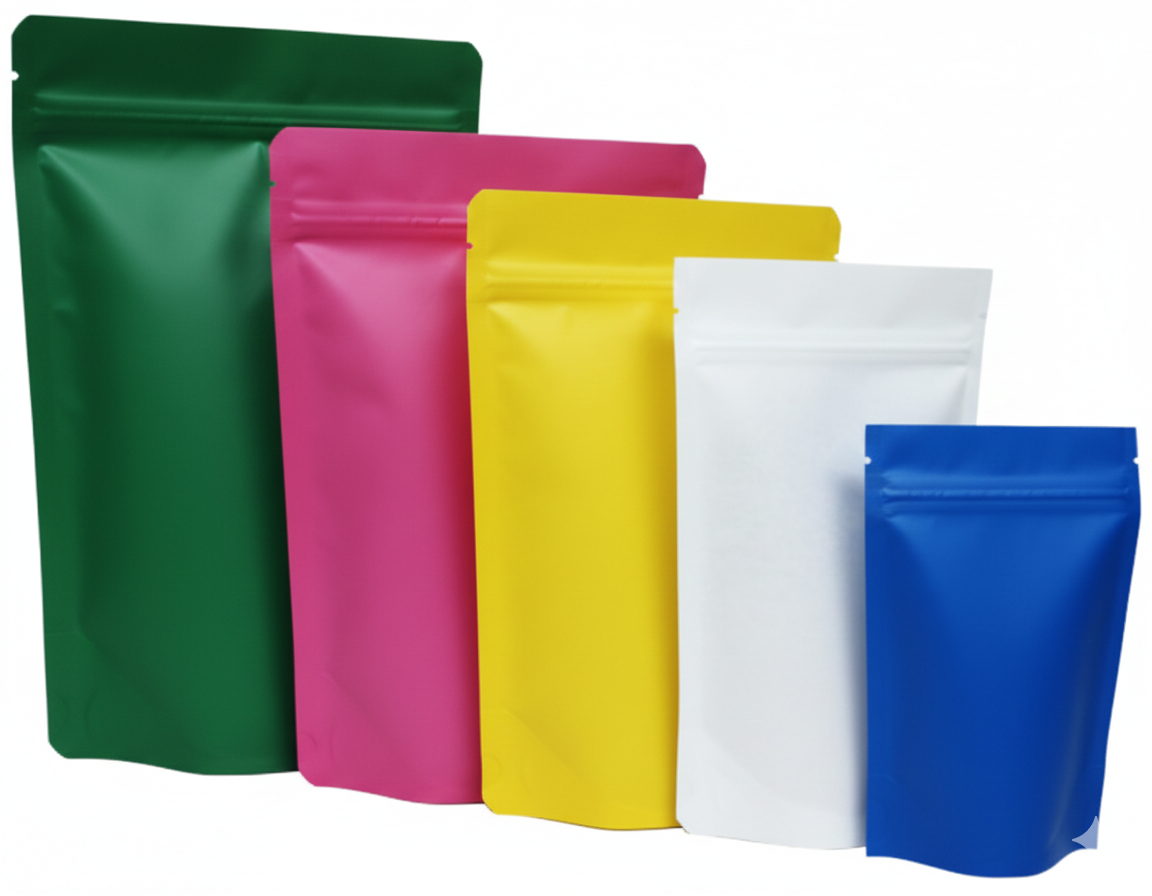
Stand-up pouches have a specially designed bottom structure that allows them to stand upright on shelves, which enhances product exposure and professional image.
- Features:
They have a bottom gusset design (doypack, K-seal, etc.), can be equipped with zippers, tear notches, and windows, and support various materials like PET, aluminum foil, and PLA. They are best for medium-capacity packaging from 50–500g.
- Applications:
They are widely used for food products like nuts, coffee powder, flower tea, and seasoning powders. In the pharmaceutical and health sectors, they are used for granules, herbal powders, and nutritional supplements.
- Recommended Equipment:
The AF2000 Powder Filling Machine is ideal for accurate powder dosing into premade pouches but requires a separate sealing machine.
The SF1002 Semi-Automatic Weighing & Filling Machine works well with granular products like coffee beans and pet food.
(Read more: Packaging of Coffee Beans—A Complete Guide for Manufacturers)
2.Flat Pouches: Lightweight and Cost-Effective
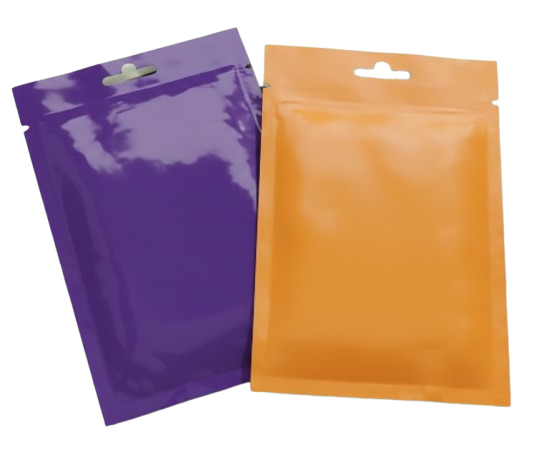
Also known as three-side seal pouches, flat pouches are a simple, affordable small-packaging solution. They are known for their minimal material usage and stackable nature, making them perfect for single-dose or sample packaging.
- Applications:
They are used for instant drink powders, medicinal sachets, spices, and sample pouches.
- Recommended Equipment:
The AF2100 Fully Automatic Powder Packaging Machine is a good match for this type of pouch. It performs continuous forming, filling, and sealing from roll stock and is ideal for high-speed production of flat or stick pouches.
(Read more: Protein Powder Packing: A Guide to Formats and Machinery)
3.Quad Seal & Side Gusset Pouches: Strong and Space-Efficient
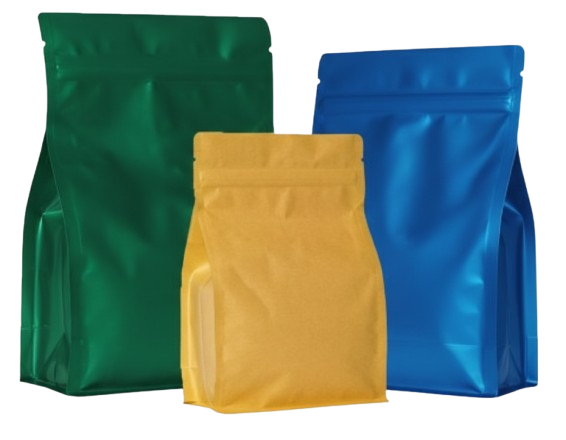
For large-capacity packaging or products needing enhanced structural support, quad seal and side gusset pouches are excellent choices, commonly used for 1kg+ products.
- Features:
They have four-corner seals for a stronger structure and an upright appearance. The gussets expand capacity, which is suitable for heavy products, and the stable pouch shape makes them easy to stack and store.
- Applications:
They are commonly used for coffee beans, pet food, bulk health powders, and grains.
- Recommended Equipment:
They are typically paired with the SF1002 Semi-Automatic Weighing & Filling Machine, which offers high stability and pouch compatibility, making it ideal for mid-to-large granular product packaging.
4. Spout Pouches: Easy Pouring for Liquid Products
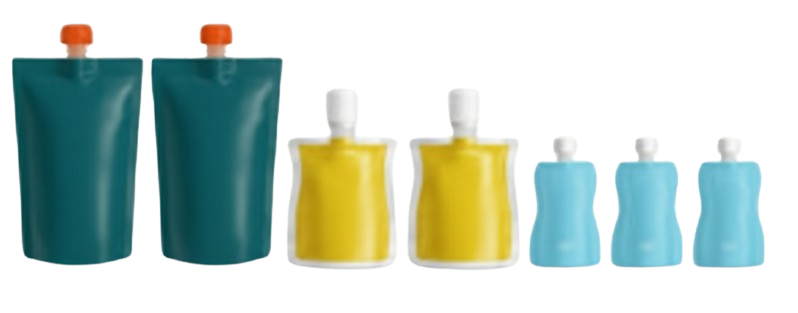
Spout pouches are flexible packaging pouches that feature an integrated spout and cap for containing liquid or semi-liquid contents.
- Features: The integrated spout and cap make pouring and resealing easier while helping reduce product waste. Compared with traditional flexible packaging, spout pouches provide better control during dispensing and lower the risk of leakage. Their lightweight structure can also help reduce transportation and storage costs.
- Applications: Spout pouches are commonly used for beverages, sauces, baby food, edible oils, detergents, and liquid supplements.
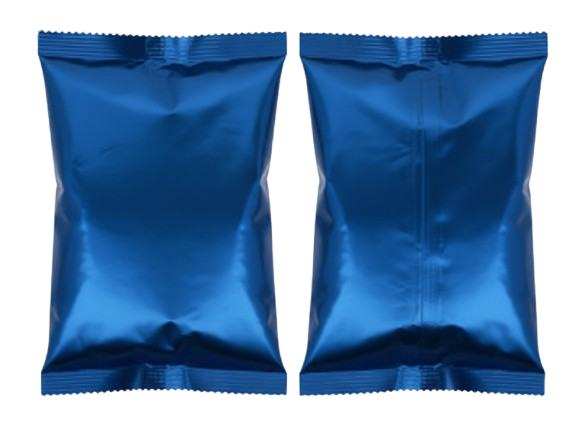
5. Pillow Pouches: Cost-Efficient High-Speed Packaging
Pillow pouches are a common type of flexible packaging that form a pillow-like shape when filled.
- Features: Pillow pouches have a simple structure that uses minimal packaging material, helping reduce production costs. They are compatible with high-speed form-fill-seal machines and support efficient large-scale production. Their lightweight, flexible design also makes transportation and storage easier.
- Applications: Pillow pouches are commonly used for snacks, confectionery, frozen foods, powdered products, and single-serve items. They are ideal for products that prioritize high-volume packaging and cost efficiency.
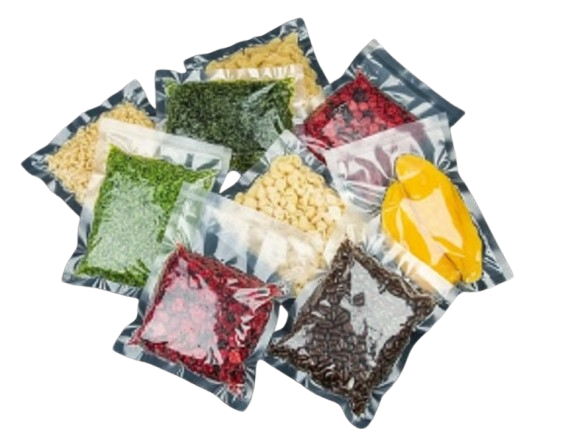
6. Vacuum Pouches: Extended Shelf Life Protection
Vacuum pouches are packaging formats in which air is removed from the pouch before sealing to reduce oxygen inside the package.
- Features: By removing air from the package, vacuum pouches limit oxygen contact and help slow oxidation and microbial growth. With suitable barrier materials, they protect against moisture and contaminants, maintain a compact shape after sealing, and are suitable for refrigerated and frozen storage.
- Applications: Vacuum pouches are widely used for meat, seafood, cheese, processed foods, and medical products. They are particularly suitable for products that require extended shelf life and enhanced preservation performance.
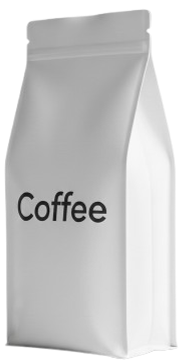
7. Flat Bottom Pouches: Stable and Premium Shelf Display
Flat bottom pouches, also known as eight-side seal pouches, have a box-like bottom structure that allows the pouch to stand upright.
- Features: The flat bottom design provides strong standing stability and supports retail display. Multiple sealed edges enhance structural strength and allow the pouch to hold heavier products. Compared to many other pouch types, it also offers a larger printable surface area, with optional resealable zipper features available.
- Applications: Flat bottom pouches are commonly used for coffee, tea, nuts, pet food, and specialty grains. They are often selected for premium products that require both functional performance and high-quality presentation.
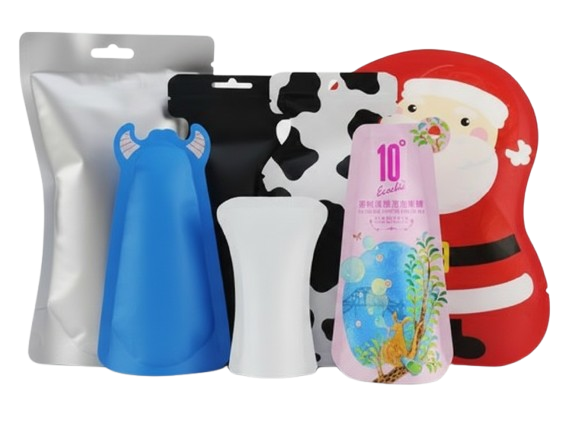
8. Shaped Pouches: Custom Shapes for Brand Impact
Shaped pouches are custom-designed flexible packages that differ from standard rectangular pouch formats.
- Features: Shaped pouches allow a high level of customization, enabling unique pouch shapes. Although they require more precise tooling and manufacturing, functional features such as spouts, zippers, and tear notches can be incorporated depending on design requirements.
- Applications: Shaped pouches are frequently used for promotional products, children’s snacks, specialty foods, and limited-edition packaging. They are ideal for brands seeking visually distinctive packaging solutions in competitive markets.
(Read more: Packaging Details Define Brand Image: Enhance Brand Trust Through Precision Filling)
Pouch Types at a Glance
| Pouch Type | Key Features | Common Applications |
| Stand-Up Pouches | Upright design with bottom gusset, suitable for medium-capacity packaging | Nuts, coffee powder, tea, seasoning powders, supplements |
| Flat Pouches | Lightweight, simple structure, cost-effective for small portions | Instant drink powders, medicinal sachets, spices, samples |
| Quad Seal & Side Gusset Pouches | Strong structure with expanded capacity for heavy products | Coffee beans, pet food, bulk powders, grains |
| Spout Pouches | Integrated spout and cap for easy pouring and resealing | Beverages, sauces, baby food, oils, detergents |
| Pillow Pouches | Simple pillow shape, ideal for high-speed production | Snacks, confectionery, frozen foods, powders |
| Vacuum Pouches | Air removal to reduce oxidation and extend shelf life | Meat, seafood, cheese, processed foods |
| Flat Bottom Pouches | Stable flat base with premium shelf appearance | Coffee, tea, nuts, pet food |
| Shaped Pouches | Custom shapes for enhanced brand visibility | Promotional items, children’s snacks, specialty foods |
How to Choose the Right Pouch for Your Product?
After understanding the different types of pouches, the next step is learning how to choose the one that best fits your product’s needs. Here are the key factors to consider.
1.Product Type:
Powders are best for flat or stand-up pouches. Granules are suited for stand-up or gusset pouches.
2.Packaging Capacity:
For less than 50g, a flat pouch is suggested. For 50–500g, a stand-up pouch is a great option. For 1kg or more, a gusset pouch is ideal.
3.Brand Image:
For a premium display, consider a stand-up or quad seal pouch.
4.Production Scale & Budget:
For high-volume production, the AF2100 is recommended. For small-to-medium volume or premade pouch use, the AF2000 or SF1002 are excellent choices.
(Read more: Packaging Materials for Food: 5 Reasons Packaging Matters Most)
Frequently Asked Questions (FAQ)
If you’re still curious about the types of pouches and how they can fit your product needs, check out our FAQ section for quick and helpful insights.
Q1: What is a pouch product?
A pouch product is a type of flexible packaging designed to offer both functionality and convenience. Available in a variety of shapes, sizes, and materials, pouches provide greater versatility compared to traditional packaging. Their customizable features and portability have made them a popular choice worldwide.
Q2: What material is used for pouch packaging?
Pouch packaging is typically made from materials such as polyester, polyethylene, aluminum foil, paper, and nylon. Each material serves a different purpose—for example, polyester adds strength and flexibility, while polyethylene offers strong sealability. The choice of material depends on the type of product, pouch shape, and specific packaging needs like shelf life, visibility, and protection.
Q3: Can the AF2000 seal pouches automatically?
No, the AF2000 focuses on powder filling and does not include a sealing module. You’ll need to pair it with an external sealing machine.
Q4: What types of products and pouches is the SF1002 suitable for?
The SF1002 is designed for granular products like coffee beans, herbal granules, and pet food. It supports various premade pouch types, including stand-up and gusseted pouches.
Q5: I only produce small sample sizes—what pouch type is recommended?
Flat pouches, such as three-side seal or stick pouches, are recommended. For mass production, you can pair them with the AF2100 or use the SF1002 for manual pouch placement, depending on your capacity and budget.
Recommended Equipment Solutions for Food & Pharmaceutical Pouch Packaging
- AF2000 Fully Automatic Powder Packaging Machine: Integrated pouch forming, filling, and sealing, ideal for flat and stick pouches.
- AF2000 Powder Filling Machine: Provides accurate powder dosing for premade pouches but requires separate sealing equipment.
- SF1002 Semi-Automatic Weighing & Filling Machine: Designed for granular products with wide application versatility for premade pouches.
Conclusion
The right packaging can define your product’s success. Knowing the types of pouches available helps you choose an option that not only protects but also elevates your brand.
Looking for the best pouch and equipment combination? Contact us for a consultation! Share your samples, needs, or production plan—we’ll tailor the best solution to optimize your packaging line for stability and efficiency.
Read more: